How To Add Multiple Photos To An Instagram Story (And Why Your Brand Should Bother)
sibashree bhattacharya, 3 hours ago
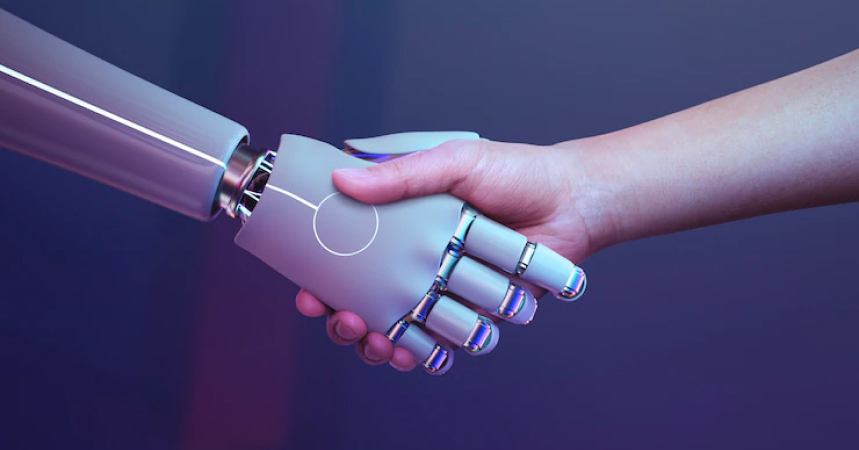
Content is everywhere. These days, you can’t scroll online without bumping into walls of text. With AI tools like ChatGPT popping up everywhere, words are being pumped out faster than ever. And honestly? It shows. A lot of what we’re reading now is machine-made, not human.
That brings up a tricky problem: how do we know if something was written by an actual person or spat out by a bot?
Authenticity matters—big time. Whether it’s for schools, journalism, or even marketing, knowing the source of content shapes trust.
That’s exactly what this guide is about. We’re diving into AI content detection—what it is, how it works, and why it matters to writers, teachers, businesses, and, really, anyone who cares about originality.
We will conduct a detailed analysis of unbiased AI content detection reviews. But it’s not all clean-cut.
These tools have flaws, biases, and accuracy issues that we’ll talk through. The goal isn’t to scare you off, but to give you a realistic picture. By the end, you’ll have a clear sense of how to use these tools wisely—and where to take their results with a big grain of salt.
Think of AI detectors as lie-detectors for writing. They’re software built to guess whether a person or a machine wrote text.
Instead of using strict rules, they rely on machine learning and natural language processing to spot patterns humans don’t usually notice.
AI writing tends to follow certain statistical quirks—it’s polished but sometimes too polished. Sentences can look uniform, predictable, even oddly flat.
Detectors scan for those hidden fingerprints. The irony is, we don’t consciously notice them, but computers can.
At the core, these detectors lean on NLP (natural language processing) mixed with heavy-duty training on piles of human and AI writing.
Over time, they learn the subtle tells of machine-made text. When you paste in your content, here’s what they’re checking:
All these factors combine into a probability score: was this text more likely written by a person or a machine?
It’s easy to lump them together, but plagiarism checkers and AI detectors do totally different jobs.
That’s the main difference: plagiarism is about stolen words, while AI detection is about authorship. Both matter for integrity, but they answer different questions.
Now, why do these tools matter so much? Because AI writing is showing up everywhere, and industries need ways to keep things honest.
Teachers are understandably nervous. Students can crank out essays with AI in minutes, and that undermines learning. Detectors help schools:
Of course, this comes with risks. False positives (a human’s work flagged as AI) can unfairly damage a student’s reputation. We’ll unpack those issues soon.
Online creators also feel the impact. In a content-stuffed internet, readers crave authenticity. AI detection helps:
But the downside? Even good writers risk having their authentic work wrongly flagged. Not ideal for freelancers seeking to establish credibility.
Beyond education and media, businesses lean on AI detection for:
Basically, it’s about ensuring the human touch remains where it matters most.
Here’s the catch: AI detectors are far from perfect. Using them blindly can cause more harm than good.
The most worrying part? Bias. Research has shown:
The consequences aren’t minor—being accused of cheating, losing a job, or damaging a brand’s credibility. A false positive can wreck someone’s future.
Another headache? What happens when humans use AI, but don’t fully rely on it?
Plenty of writers draft something themselves, then polish it with AI tools (think Grammarly’s advanced suggestions).
At what point does it stop being “human-written”? If AI rephrases 40% of your draft, is that AI-generated? What about 10%?
Detectors often can’t tell the difference. And that’s unfair, especially for non-native speakers who depend on AI refinements to communicate clearly.
The line between “AI-helped” and “AI-made” is blurry—and detectors aren’t great at judging that nuance.
So, how do we actually use these tools without making a mess? The key is remembering they’re guides, not judges.
Writers and businesses can also use detectors to their advantage:
Refine your style – Use feedback as a way to sharpen your unique voice, not just avoid being flagged.
At their best, detectors should spark conversation, not punishment.
This space is changing constantly. As AI writing gets smarter, detection tools must evolve too.
Ultimately, AI detection isn’t just about tech—it’s about trust. Expect:
Not super reliable. Some claim 90%+ accuracy, but independent tests usually show much lower—often below 80%.
And false positives (flagging human work) are a real issue. Always double-check before taking action.
Pretty much, yes. People already use “AI humanizers” and simple edits to trick detectors. Until watermarking becomes standard, it’s possible to dodge detection.
Don’t panic. Gather evidence like drafts or version histories. Talk to whoever flagged it and explain.
Remember: these tools are fallible, and relying on them alone is unfair. Push for human judgment, not just an automated score.
AI writing has exploded, and with it, the demand for AI detection. These tools do help—protecting academic honesty, brand credibility, and even cybersecurity.
But they’re far from perfect. Accuracy issues, short-text problems, and, worst of all, biases make them unreliable as a sole authority.
The smartest approach? Use them as signals, not verdicts. Pair their results with human review and common sense.
And as AI keeps evolving, so must our ability to think critically about what’s real and what’s not.
In the end, authenticity comes down to us. Machines can generate text, but only humans can bring originality, insight, and trust. That balance between human creativity and AI support will shape the future of digital trust.
Read Also:

Barsha is a seasoned digital marketing writer with a focus on SEO, content marketing, and conversion-driven copy. With 8+ years of experience in crafting high-performing content for startups, agencies, and established brands, Barsha brings strategic insight and storytelling together to drive online growth. When not writing, Barsha spends time obsessing over conspiracy theories, the latest Google algorithm changes, and content trends.