

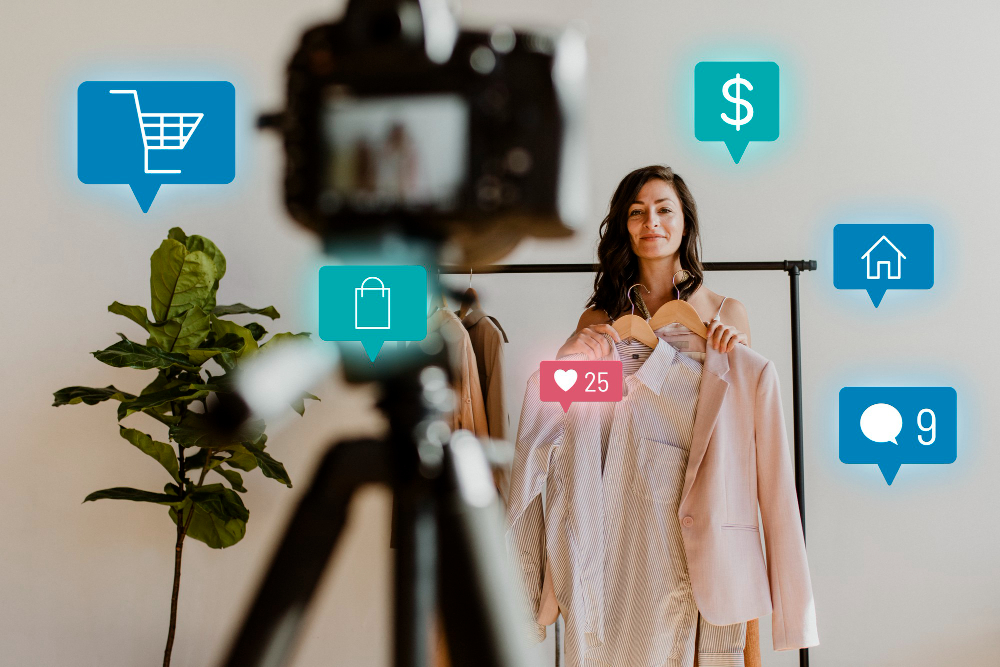
Today’s topic: Influencer marketing campaign in the UK!
Social is no longer only an awareness play. Discovery, comparison, checkout and post-purchase chat can all happen in-feed, with influencers often sitting at the centre of the journey.
Brands can treat social as a full-funnel sales driver, provided there is a clear commercial plan behind it.
Influencer Marketing Campaign For UK Brands: Steps To Take
If you are in the UK and you are looking for an influencer marketing campaign that would actually work for your brand, here’s what you need to know:
Start With A Commercial Objective, Not A Creator List
Too many campaigns start with names. A better place to begin is one commercial question: what must this influencer marketing campaign do for the business?
Define The Commercial Goal
Be specific. You might need direct sales of a new range or qualified sign-ups for a trial. Pick one primary outcome and one supporting outcome rather than chasing four goals at once. Focus keeps the brief tight and reporting honest.
That focus shapes everything else. It decides whether you pay for reach or for content you can reuse, and whether short-form video needs to sell on the spot or warm people for later.
Vanity metrics may feel good. They will not tell you whether the influencer marketing campaign delivered commercially.
Create A Clear Action Path
Strong plans tie each objective to a single action and a clear destination. That could mean buying through product tags, signing up through a tracked link, or commenting with a keyword to trigger a DM flow and shop link.
A follow-up offer might encourage people to save the post. When the path is clear, you can trace sales back to posts and creators with less guesswork.
Value comes first. People often scroll past pure promotion. Each brand or creator post should educate or entertain before asking for anything.
That can earn watch time, saves, shares and replays, giving the platform useful signs that people find the content worth seeing.
Define The Audience And The Path To Purchase
Audience clarity matters more than audience size. You do not need everyone. You need the people most likely to buy soon, along with those who influence their decisions.
Understand Audience Behaviour
Build a simple picture. Age band and location help, but behaviour can tell you more.
Consider what they watch at night, the problem they are trying to solve and which accounts they trust. Social listening helps here.
Read comments on rival posts and track the questions people ask repeatedly. Those lines can become useful hooks.
Optimise the Path to Purchase
Then map the path from view to purchase. Social commerce has shortened the gap between discovery and checkout.
Shoppable tags, product stickers, live shopping and DM flows may shorten the buying journey where available, but check the actual checkout route for your account and audience.
Walk the path yourself. Tap from a post to a product page, count the steps and remove unnecessary friction.
Social proof can support the sale because shoppers often pay close attention to other customers’ experiences. Customer photos and videos may therefore complement polished shoots. Plan how you will collect and reuse that material from day one.
Ask for permission early and credit the owner every time. There can be a steady supply if you ask clearly and make participation easy.
Set A Budget That Covers The Full Work
Money should follow the objective. If you need sales in the short term, consider creators with relevant conversion results and leave room for paid amplification of suitable posts.
If you need content that can be reused for months, agree and pay for the necessary usage rights up front.
Allocate The Budget Across Key Areas
Break the budget into the main areas:
- creator fees,
- production and product costs,
- paid amplification,
- tools or administration for contracts, tracking, payments and reporting.
Brands can overspend when one of these areas is overlooked.
Usage rights are a common consideration because a creator may charge more if you want to run their video in advertising for several months.
Micro-influencers and nano-influencers may stretch budgets further, depending on the category and audience. Their fees can be lower, and their communities may respond well, while larger voices can add reach. [Source: Sprout Social]
Avoid building the whole plan around one big name. A group of smaller creators posting over a suitable influencer marketing campaign period can provide more opportunities to learn than relying on one post.
Maintain Budget Flexibility And Clear Terms
Keep some budget flexible for boosting. You will not know in advance which eligible post will connect most strongly, so locking every pound on day one can limit your options.
Once results begin to come in, that flexibility lets you support the strongest content where paid distribution makes commercial sense.
Be clear on payment terms and agree them in writing before work begins. Late payment damages goodwill quickly.
Choose Creators For Fit And Trust
Fit beats fame. The right creator already speaks to your buyers in a voice they trust, while the wrong one may offer little beyond impressive-looking numbers.
Evaluate Relevance And Authenticity
Start with relevance. Does this person post about your category without being paid? Do they attract meaningful comments and saves rather than likes alone?
Engagement rate over follower count is a useful filter when assessed alongside audience quality and commercial fit. A small loyal audience can outperform a large passive one.
Vet creators as carefully as you would a supplier or hire. Watch a reasonable sample of recent videos and read the comments for genuine questions and repeat viewers.
Check past sponsorships for conflicts and clear disclosure. Look at audience data for suspicious spikes or bot activity, then ask for relevant past results and references where appropriate.
It takes time. It can prevent costly mismatches.
Manage Operational Load And Creator Mix
Then weigh the operational load. Outreach, contracts, payments and tracking all require time, especially as the creator roster grows.
Brands without in-house capacity can ask an influencer marketing agency which parts of vetting, contracts, disclosure, and measurement it can support.
Agree the scope before appointing one. Keep responsibility for influencer marketing campaign judgement clear as the volume of work rises.
Blend creator sizes where the strategy supports it. Nano-influencers and micro-influencers may suit detailed demonstrations and audience replies, while broader voices can extend reach.
The right mix should reflect the objective, budget and buying journey. Follower counts can be misleading when viewed without context.
Pick Platforms Based On Behaviour, Not Hype
Be where your audience researches, discusses and buys. That may include short-form video on Instagram or TikTok, while considered purchases could involve YouTube, and business audiences may be active on LinkedIn.
Do not try to be everywhere. Choose platforms using audience behaviour and influencer marketing campaign evidence. Each platform has its own formats and audience expectations.
For example:
- TikTok can favour direct demonstrations and quick hooks
- Instagram supports strong visuals and saveable content
- YouTube accommodates depth and search
- LinkedIn users often respond to practical professional insight.
Simply cutting once and reposting everywhere may weaken the work. Shape the idea for each feed.
You need a repeatable system rather than one hero video. Set a posting schedule that suits your resources, test hooks regularly and retain what works.
Watch time, replays, shares and saves can help you judge whether the content holds attention. A consistent testing programme gives you more chances to identify useful patterns.
Repurpose with care. One shoot can supply a demonstration, a shorter edit, a reply to a comment and a founder clip.
That is efficient without feeling careless. Keep the native feel because people often skip content that looks too much like a conventional advert.
Ask a hard question each month: where did our buyers actually watch and act? Put more effort there.
Write A Brief That Protects Freedom
Good briefs set guardrails while leaving room for the creator’s voice. People follow creators for their judgement and style. If you script every word, you risk removing the qualities that made the partnership valuable.
Keep the brief short and clear. One page may be enough. State the outcome and single message, list the deliverables and dates, and explain what is off-limits. Then let the creator pitch an idea in their own style.
Give them useful material. Share the main customer questions, along with real reviews and relevant past winners. Let them handle the product before filming where timing allows. Familiarity usually shows on camera.
Plan for reuse from the start. Ask for raw files if required and secure permission to create paid edits. Agree where you can post the work and for how long. Sort this before filming because renegotiating after a video gains attention can be difficult.
What To Put On One Page
A simple brief often covers the objective and action, audience insight, key message and proof, deliverables and timeline, plus payment, usage and disclosure. Keep each part concise.
If it needs more explanation, talk it through on a call. Do not stack every selling point into one video.
One clear claim per post can land more effectively, with other claims covered across the wider influencer marketing campaign.
Lock Disclosure And Approvals Before You Launch
Advertising must be recognisable as advertising. For UK influencer marketing campaigns, check the current ASA and CAP guidance before launch, including the rules covering payment, gifts and editorial control.
Use a clearly prominent ‘Ad’ label where required, placing it where people will see it before engaging with the content. Do not bury the disclosure among hashtags. Clear labelling protects trust and supports compliance.
Set the approval process before content goes live. One brand contact should sign off, using an agreed review window and a straightforward checklist covering claims, pricing, links and tags. If a regulated claim needs legal review, arrange it early. Last-minute rewrites drain energy.
Plan community management as part of launch cover. Speed of response can make a practical difference.
Reply promptly during the early stages, answer sizing and stock questions, and pin a helpful comment with the shop link where appropriate. Address fair criticism with a useful fix rather than a script.
Use social listening during launch week. Watch sentiment, recurring questions, rival chatter and stock signals. If people misread the offer, clarify the caption and pinned comment.
If a creator’s audience asks for a bundle, pass that feedback to merchandising quickly. Social can be a valuable research tool when monitored properly.
No launch is perfect. But you can make one well-watched.
Measure Real Outcomes And Reuse What Works
Follower growth alone does not prove product demand; you must measure commercial outcomes. Track engagement rates, referral traffic, and attributed revenue through unique links and promo codes. Avoid mixing codes to ensure accurate creator attribution.
Regularly review performance to double down on high-converting creators and put paid spend behind organic winners. Additionally, leverage happy buyers by reposting user-generated content with permission to complement your brand shoots.
Ultimately, high-performing campaigns require careful planning, clear tracking, and trusted creators. By securing authentic advocacy and handling logistics smoothly, you turn social media into a practical, repeatable sales channel.

ANKITA TRIPATHY
AuthorAnkita Tripathy loves to write about food and the Hallyu Wave in particular. During her free time, she enjoys looking at the sky or reading books while sipping a cup of hot coffee. Her favourite niches are food, music, lifestyle, travel, and Korean Pop music and drama.
View All Posts


