How Social Media And SEO Work Together To Build Nationwide Brand Reach
Barsha Bhattacharya, 2 weeks ago
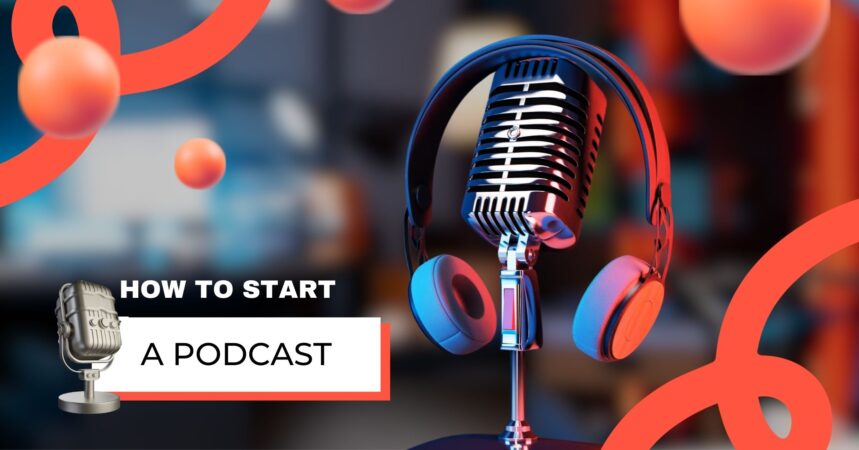
Podcasting has emerged from a hobbyist area of interest to one of the most powerful digital media channels in the world.
In 2026, podcasts are not just for entertainment; they are tools for lead generation, monetization, community building, thought leadership, and long-term brand growth.
Whether you’re an entrepreneur, creator, educator, or hobbyist, starting a podcast has never been easier-or more competitive.
This step-by-step, comprehensive guide will take you through literally everything that you should know to launch, publish, and grow a successful podcast in 2026.
The guide explains how to choose podcast names, define your podcast structure, select the best podcast microphone, create podcast cover art, record and edit, promote, monetize, and answer the most common questions.

Before jumping into the technical setup, it’s important to understand why podcasting is such a powerful medium today.
With a podcast, you can establish trust at scale. The listeners start to feel a personal connection when they hear your voice on a regular basis for a period of 20–60 minutes. All this makes podcasts very effective for:
Webinars, podcasts, and videos are being increasingly used as a top-of-funnel lead generation engine, accompanied by calls to action in the podcast intro, outro, and show notes.
Monetizing podcasts in 2026 goes way beyond ads. Other popular income streams are:
Even small podcasts can monetize effectively targeting a specific niche audience.
Podcasts build loyal communities. The listener frequently feels he or she knows the host personally, thereby:
A lot of podcasters extend their community onto Discord servers, Telegram groups, newsletters, and even social media.
It helps individuals to recognize their personality and appearance, allows them to imagine their futures, and informs them about distant parts of the world.
Inviting a podcast guest often opens doors that emails and DMs can’t. Podcasting lets you:
High-profile guests often are happy to appear because podcasts give them exposure with minimal effort.
A consistent podcast positions you as an authority in your niche. Your ideas, insights, and opinions shape industry conversations over time, making podcasting one of the strongest platforms for personal branding and thought leadership.

Let’s break down precisely how to launch a podcast in 2026.
Your podcast concept forms the basis of everything.
Ask yourself:
Clear goals help you guide your podcast structure, episode length, format, and promotion strategy.
Pick something you can speak about year in, year out. Examples include:
Instead of having a broad topic, narrow your focus;
Your podcast name should be;
How to check if a podcast name is taken:
Your podcast format dictates the structure of the episodes.
Popular podcast formats include the following:
There is no perfect length, but the 2026 trends are:
Stick to a schedule you can keep:
You don’t need a studio to get started, but quality audio is nonnegotiable.
Top beginner-to-pro microphones include:
Podcast Equipment Setup for Beginners:
A laptop Intermediate Setup:
Audio interface – Focus rite 2i2
Advanced Setup:
You need to choose the right podcast software for recording.
This is how you should record your first episode.
A. podcast script or outline will help to keep you on track:
Always capture a test clip before recording the full episode.
This tutorial will walk you through how to edit MP3 audio using Audacity.
Writing an Engaging Introduction and Conclusion.
Your podcast intro should:
Instructions;
Smooth transitions eliminate unwanted noise.
Checklist before publishing:
Export the audio file as:
In fact, this can very often be the first encounter of your podcast cover art that a new listener will have. This means that it is a very important factor in whether or not a new listener clicks on your podcast or drops by.
There are many ways to make your podcast artwork stand out, they are;
Your artwork has to immediately explain what your podcast is about. If someone is not able to understand its theme in the first second or second at the most, then the artwork is not where you need to improve.
For example,
Business podcast designs tend to use strong typography and minimalist designs.
Podcast art appears in thumbnail form on mobile devices and apps. Use your designs at a smaller scale and test them for the clarity of your type and images. Thin fonts and detailed pictures should not be used. They are not visible if reduced.
It’s always better to have one important heading and at most one short subheading. It’s always better to have limited fonts in the artwork to a maximum of one or two. It will look cluttered and amateurish if there are too many words or font types.
Microphones, headphones, and sound waves tend to be overused. While they’re not banned, mostly they just don’t do much to differentiate your show. You can use abstract symbols, illustrations, or typography to replace the overused icons.
Your podcast art should include :
Consistency of color, fonts, and tone of voice will promote brand recognition.
Professional artwork doesn’t necessarily require you to have advanced design skills.
With Canva, so podcasters have access to templates that are ready to use with the podcast hosting site, sized just right for podcast listings. There is a downside to ease of use; specifically, their free hosting may contain
Adobe Express is more personalized than the basic tools and is still easy to use. If you are looking for something with more creativity that is not as complicated as a full design app, it will really help.
With Fiverr, you could hire graphic designers at different price points. You will make sure they have experience designing podcast artwork and inspect their portfolios.
99Designs gives you the opportunity to crowd-fund your premium branding by launching a design contest in which a range of designs are submitted by a number of designers. This can be ideal for podcasters who want a strong, distinctive branding from the start.
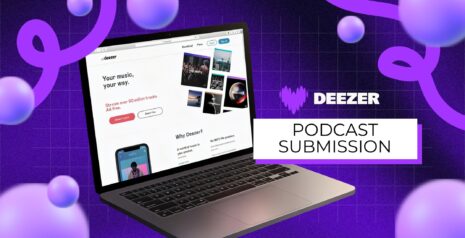
Podcast hosting stores and distributes your episodes.
Complete the following information about your podcast;
Choose the most appropriate category for discoverability.
Include;
Show notes help with;
Buzzsprout touts a vast set of built-in features that have attracted many beginners and experts alike because of its functionality and versatility. Some of its features include:
Apple Podcasts remains the most influential directory.
Spotify leads in podcast consumption globally.
Now that its time to launch your podcast, you have two options. You can choose either one of them that you think suits you.
In this strategy, the target is to launch 3-5 episodes at one time.
It is even better if episodes can be recorded in bulk in advance.
Using the strategy, you:
Imposter syndrome is an incredibly prevalent problem in the podcasting community—especially for first-time podcasters.
Here are a few questions and queries on the topic of how to start a podcast that others have asked, which you might find helpful at the same time.
The biggest challenges are consistency, discoverability, and patience.
Anyone with a message, a microphone, and commitment.
Speak normally, use bullet points, and visualize one listener.
None. Podcasts are created from scratch.
₹0–₹20,000 for beginners, depending on the equipment.
Usually no, unless it’s a sponsored appearance.
No license is usually required in most countries.
Use a quiet room, a USB microphone, and free editing software.
Use episode title, host name, podcast name, and publication date.
Starting a podcast in 2026 is one of the smartest ways to build authority, community, and long-term digital assets.
Anyone can grow a successful show, provided the right podcast structure, consistent publishing schedule, quality audio, and effective podcast promotion are used.
Podcasting rewards persistence. Start small, stay consistent, invite the right podcast guests, and let your voice compound over time. Your first episode won’t be perfect-but it will be the most important one you ever publish.

Nabamita Sinha loves to write about lifestyle and pop-culture. In her free time, she loves to watch movies and TV series and experiment with food. Her favorite niche topics are fashion, lifestyle, travel, and gossip content. Her style of writing is creative and quirky.

Barsha Bhattacharya, 2 weeks ago

Barsha Bhattacharya, 1 month ago