
5 Benefits Of SEO For Next-Level Business Growth In Europe
Barsha Bhattacharya, 6 days ago

In the ever-evolving world of digital communication, abbreviations and slang terms have become an essential part of how people interact online.
Not only do they make conversations faster, but they also add a sense of personality and relatability to messages.
Among these widely used acronyms, IGU has gained significant popularity, especially among younger audiences and active social media users.
However, if you’ve recently encountered this term in a chat, comment, or direct message, you might be asking yourself what does IGU mean in text?
Therefore, in this detailed and comprehensive guide, we will explore every aspect of IGU.
From its full form and origin to its usage in different contexts, examples, variations, comparisons, and even cultural significance, this article covers it all.
Moreover, we will include practical tips and FAQs to ensure you fully understand how to use IGU correctly.
To begin with, IGU is a common texting abbreviation that stands for:
At its core, this phrase carries multiple meanings depending on the context. In most cases, it is used to express:
In other words, IGU is a flexible and versatile phrase that helps simplify communication.
Additionally, IGU often carries an emotional tone, which makes it more meaningful than a simple acknowledgment like “OK.”
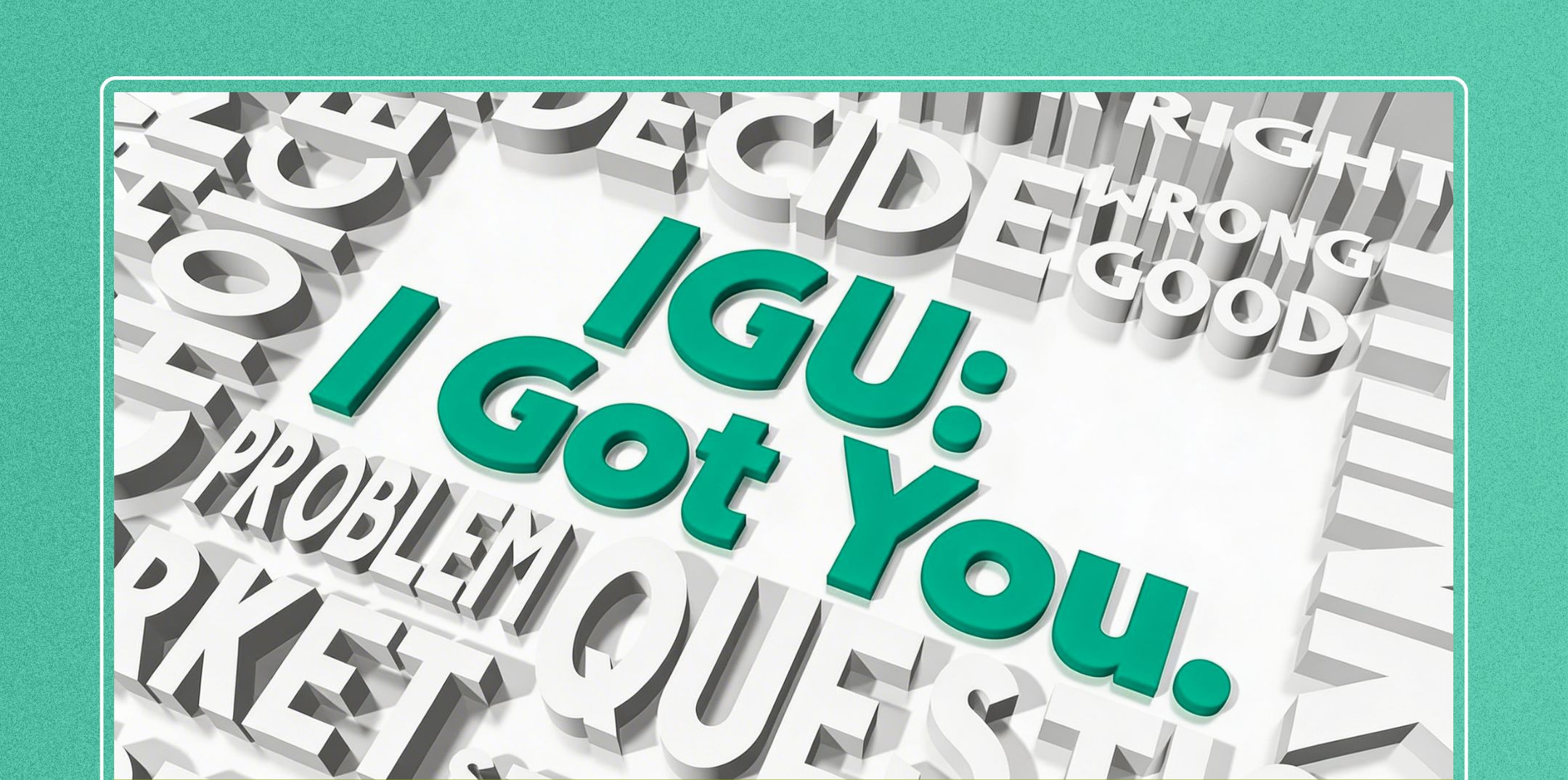
Although IGU may seem like just another abbreviation, it actually conveys deeper emotional intent.
For instance:
Thus, IGU is not just about saving time—it is also about building connection and trust.
Originally, the phrase “I got you” was commonly used in spoken English. People used it in everyday conversations to:
However, as texting and online messaging became more popular, users began shortening phrases for convenience. Consequently, IGU emerged as a digital shorthand.
Moreover, social media platforms played a huge role in popularizing IGU. Platforms like:
encouraged fast-paced communication. As a result, abbreviations like IGU became part of everyday language.
Also Check: The Modern Internet Dictionary: Gen Z Slang and Emojis Explained
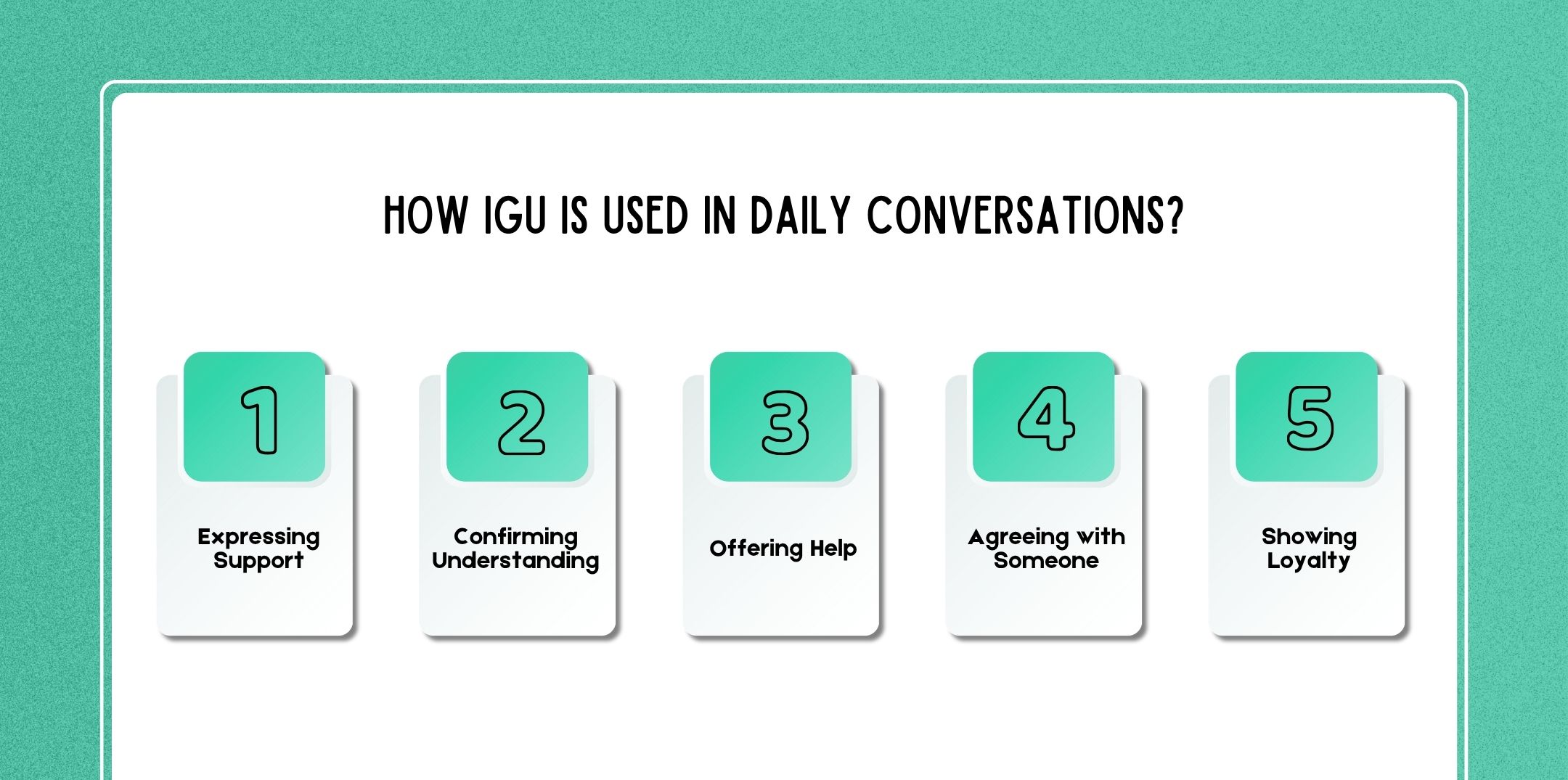
Interestingly, IGU can be used in a wide variety of situations. Let’s explore the most common ones.
When someone is going through a tough time, IGU can provide comfort.
Example:
In this case, IGU conveys empathy and reassurance.
IGU is often used to show that you understand instructions or information.
Example:
Here, it means “I understand and will do it.”
Additionally, IGU can signal willingness to help.
Example:
This implies “I’ll take care of it.”
Sometimes, IGU simply shows agreement.
Example:
In some contexts, IGU can even mean “I’ve got your back.”
Example:
To better understand how IGU fits into conversations, here are some practical examples:
Clearly, IGU is versatile and easy to use.
Although IGU is useful, it is important to use it in the right situations.
On the other hand, avoid using IGU in:
Instead, use full phrases like:
To better understand IGU, let’s compare it with similar abbreviations.
Interestingly, there are several variations of IGU.
Each variation has its own nuance, so context matters.
There are several reasons why IGU has become widely used.
Firstly, IGU saves time. Instead of typing a full sentence, you can simply type three letters.
Secondly, it conveys support and understanding, which makes conversations more meaningful.
Moreover, modern communication favors short and quick responses.
Finally, IGU is easy to understand, especially among younger users.
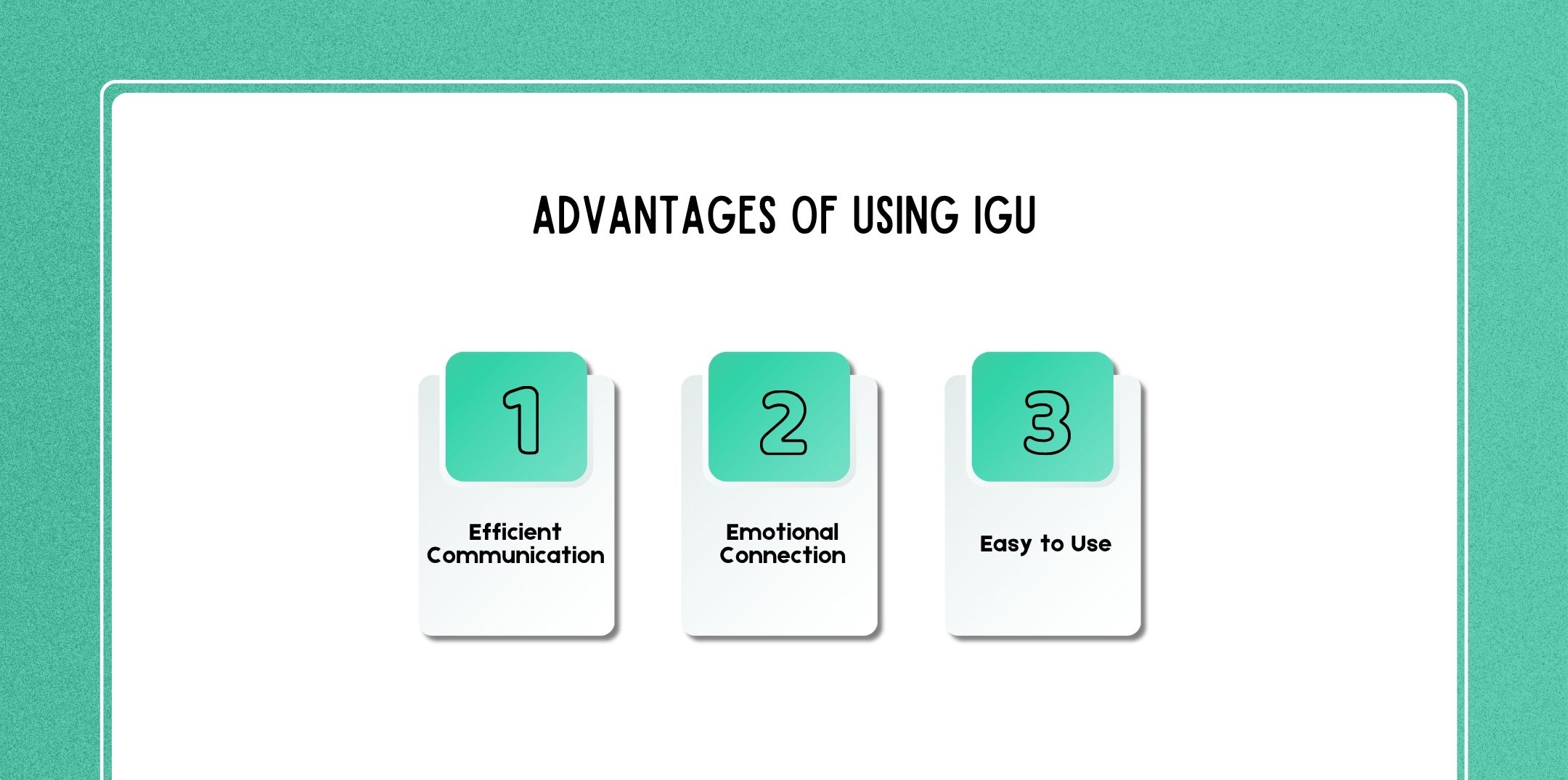
It speeds up conversations.
It shows care and support.
It’s simple and intuitive.
It should not be used in formal settings.
Some people may not know what it means.
Too much slang can reduce clarity.
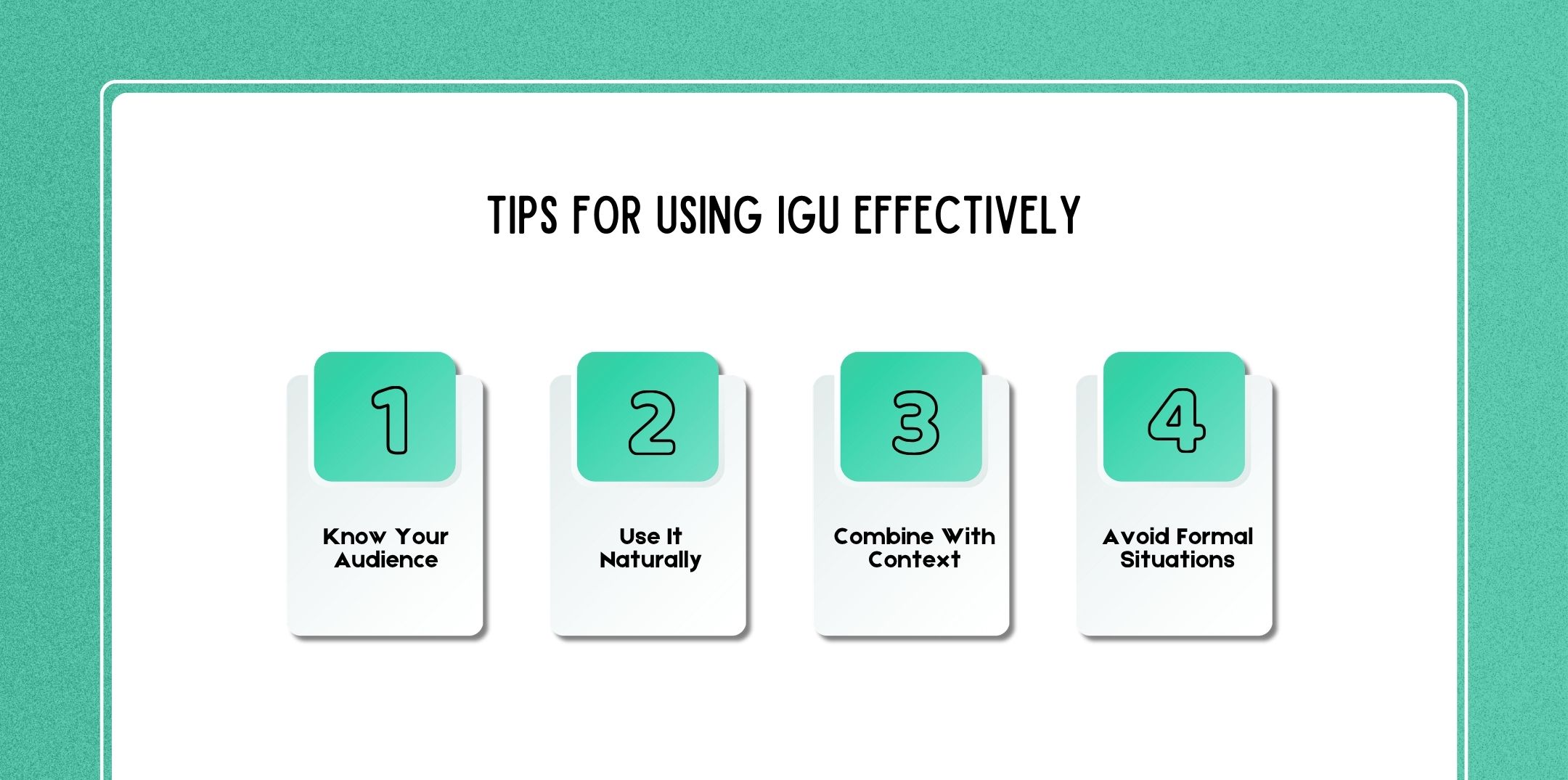
To use IGU correctly, follow these tips:
Use IGU only with people familiar with slang.
Don’t force it into every sentence.
Example: “IGU, don’t worry about it.”
Stick to casual conversations.
With the rise of digital platforms, IGU has become part of everyday online language.
Additionally, memes and viral content often include IGU to convey humor or relatability.
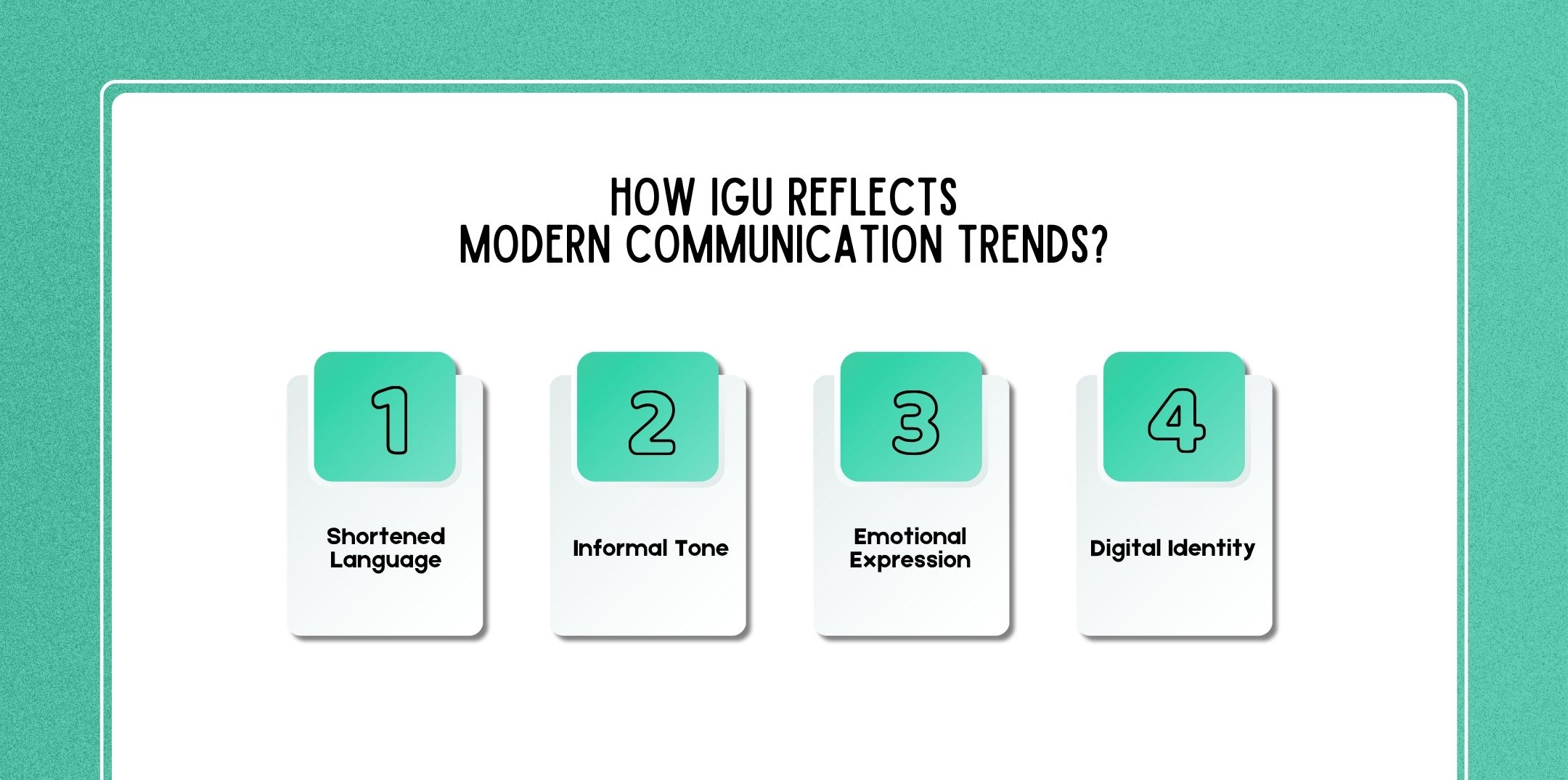
IGU is more than just slang it reflects broader trends.
People prefer quick communication.
Conversations are more relaxed.
Even short words carry meaning.
Slang helps people connect and belong.
As technology evolves, language will continue to change.
However, simple and meaningful phrases like IGU are likely to remain popular.
Here are a few questions and queries on the topic of igu meaning slang that others have asked, and might be helpful for you at the same time.
IGU stands for “I Got You.”
Generally, IGU is positive as it shows support and understanding.
No, it is best used in informal conversations.
Yes, especially among younger users and on social media.
Yes:
• “Got you.”
• “I understand.”
• “I’ll handle it.”
Not exactly. Its meaning changes slightly based on context.
Yes, but it is more common in English-speaking communities.
In conclusion, IGU meaning in text is “I Got You,” and it serves as a powerful, versatile, and widely used expression in modern communication.
Not only does it save time, but it also conveys understanding, support, and reassurance in a simple yet effective way.
Moreover, as digital communication continues to evolve, abbreviations like IGU will remain an essential part of how people connect online.
However, it is equally important to use them appropriately based on context and audience.
Ultimately, by understanding and using IGU correctly, you can enhance your conversations, make them more engaging, and stay in tune with modern communication trends. So next time someone needs reassurance or help, you know exactly what to say—IGU!
Related Resource: POV Meaning: What It Really Stands For And How To Use It 2026?

Nabamita Sinha loves to write about lifestyle and pop-culture. In her free time, she loves to watch movies and TV series and experiment with food. Her favorite niche topics are fashion, lifestyle, travel, and gossip content. Her style of writing is creative and quirky.