How Long Can A Reel Be On Instagram In 2026? What 10 Years On This Platform Has Taught Me?
sibashree bhattacharya, 4 days ago
The podcast industry keeps changing at a fast pace throughout the year 2026. As a result, the industry experiences increased competition.
While listeners demand better services, platforms now depend more heavily on algorithms for content discovery.
For this reason, you must submit your show to major listening platforms because doing so has become a mandatory requirement rather than an optional step.
In particular, Amazon Music and Audible rank among the most important digital ecosystems today, because they operate on one of the largest technology infrastructures worldwide.
Therefore, you need to learn how to submit your podcast to Amazon Music & Audible, because this knowledge will help you reach more listeners.
While simultaneously boosting your monetization potential and enhancing your podcast marketing efforts.
In this comprehensive 2026 guide, we will walk you through the following:
Now, without further delay, let’s begin.
First and foremost, distribution equals growth. In other words, the more platforms your podcast is available on, the more opportunities you create for listener discovery.
While platforms like Spotify and Apple Podcasts continue to dominate global listening share, Amazon Music and Audible offer distinctive competitive advantages.
For instance:
Moreover, Amazon’s ecosystem extends beyond mobile apps. It integrates with Echo smart speakers, Fire TV devices, tablets, and even automotive systems.
Consequently, your show becomes accessible in everyday listening environments, which significantly enhances passive consumption.
Ultimately, if you are serious about scaling your show in 2026, this submission should be considered foundational not optional.
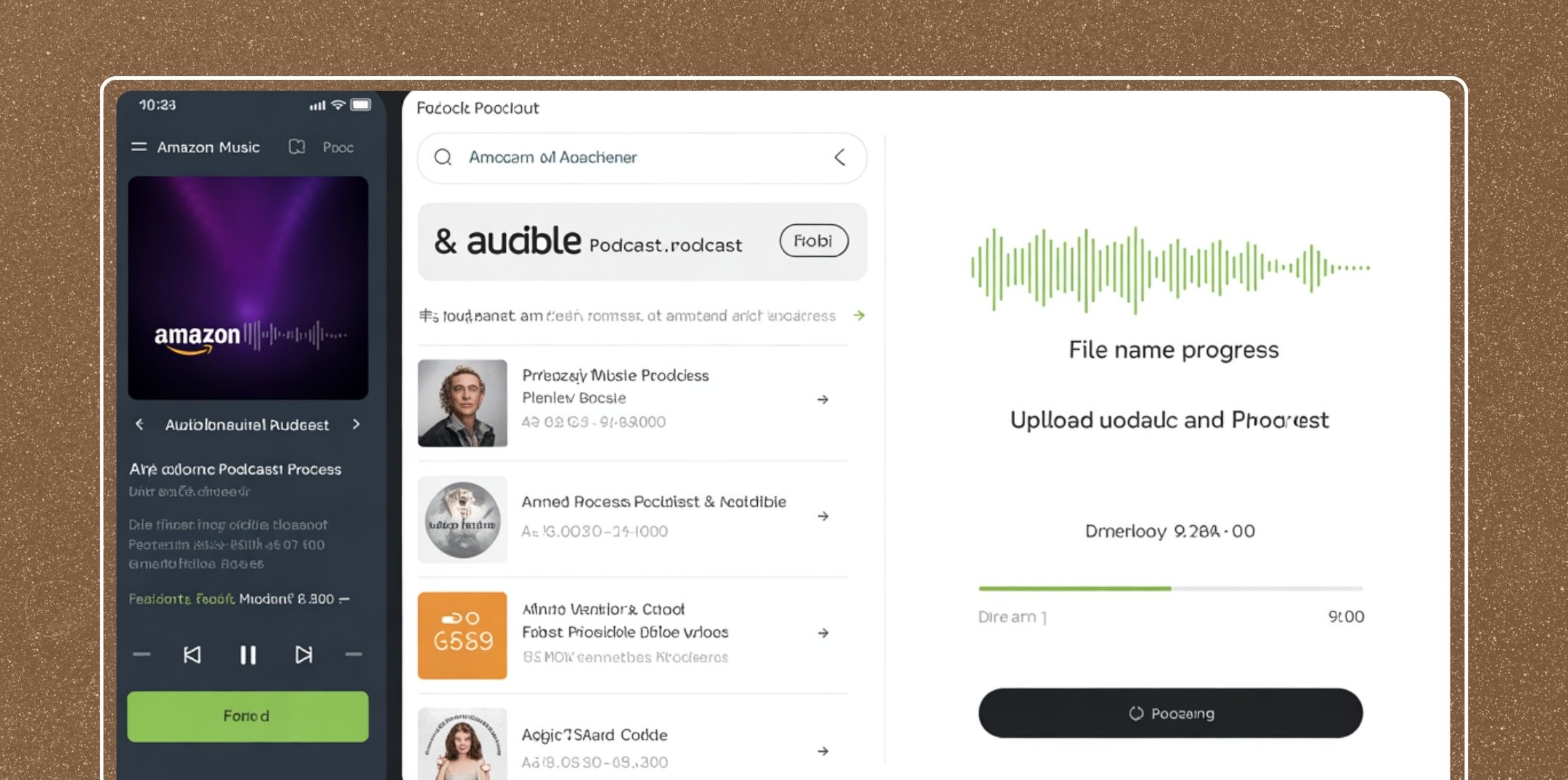
Although they are often mentioned together, these platforms function somewhat differently. Therefore, understanding their roles helps you position your show effectively.
In many cases, submitting to Amazon Music automatically distributes your podcast to Audible.
However, certain content categories or exclusive programs may require additional review. Thus, always verify your distribution status inside your dashboard.
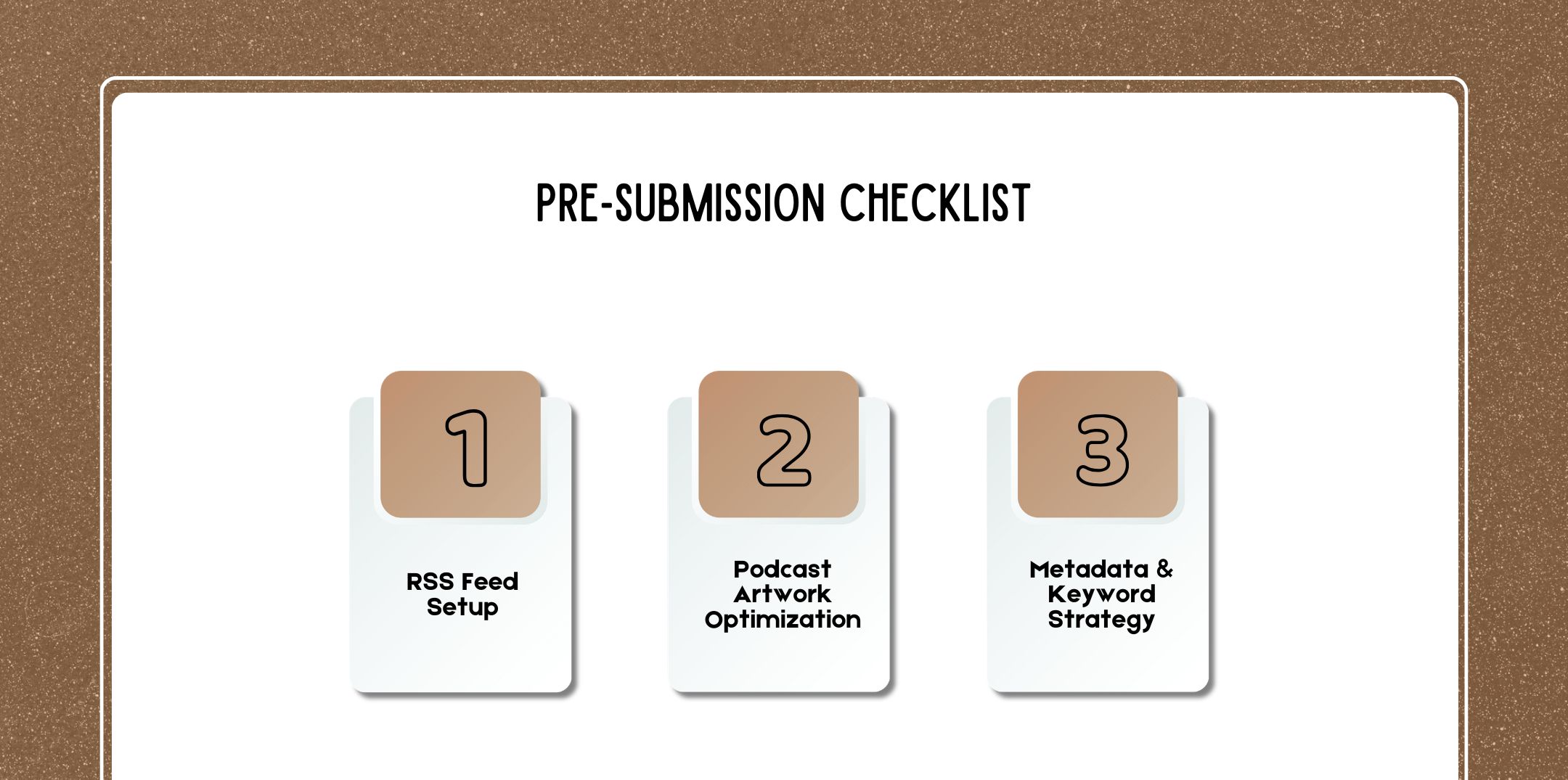
Before submitting, ensure everything is technically optimized. Otherwise, delays or rejections may occur.
Your RSS feed is the backbone of distribution. Without it, no podcast platform can ingest your content.
Popular hosting providers include:
Your RSS feed must:
Importantly, double-check your feed before submission. Even minor formatting errors can slow approval.
Artwork directly impacts click-through rate. Therefore, treat it as a marketing asset not an afterthought.
Requirements:
Additionally, ensure branding consistency across your podcast website and social media channels.
Strong metadata improves discoverability. Similarly, just as search engines rely on keywords, podcast apps rely heavily on show descriptions.
Include:
Furthermore, incorporate natural keyword variations to support broader search visibility.
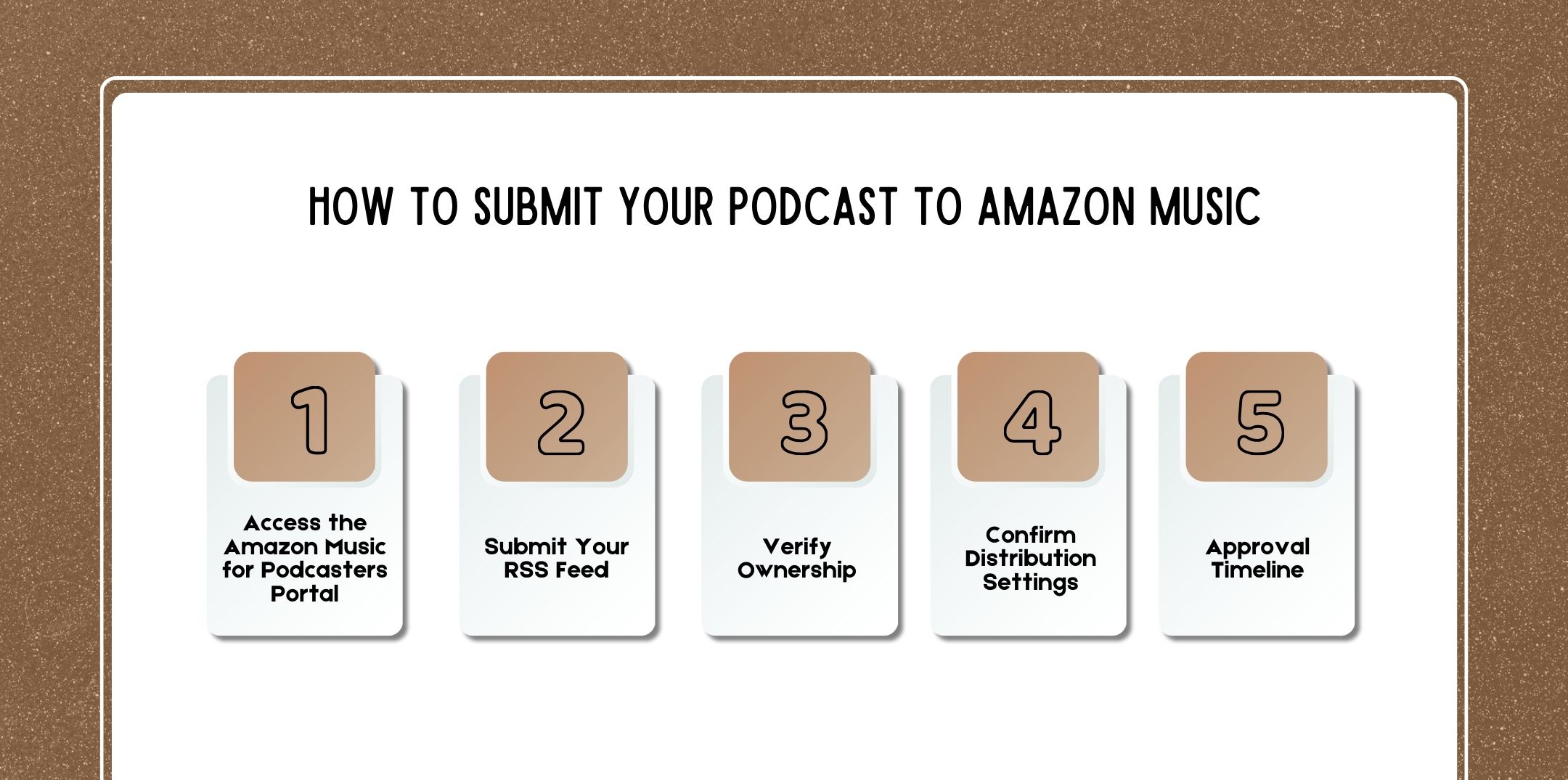
Now, let’s move step-by-step through the process.
Visit the official portal and log in using your Amazon account.
Paste your RSS feed URL into the submission box.
However, the system will automatically:
Therefore, if errors appear, correct them at your hosting provider before proceeding.
Amazon will send a verification email to the address listed in your RSS feed. Click the verification link. However, without this step, your show will not go live.
After verification:
Then submit for final approval.
Generally:
However, once approved, your podcast appears on Amazon Music and often Audible.
Approval is just the beginning. In fact, optimization begins immediately after distribution.
Meanwhile, focus on:
Additionally, embed your Amazon link into your podcast website to drive cross-platform traffic.

Podcast advertising continues to grow rapidly. Consequently, monetization opportunities are expanding across platforms.
On Amazon Music:
Furthermore, podcast apps for advertising are becoming more data-driven. Brands are now investing heavily in targeted campaigns, which benefits creators with engaged audiences.
This is one of the most searched questions: how much do podcasters make?
The answer depends on scale and monetization strategy.
While revenue sources include:
Therefore, distribution across Amazon Music and Audible can significantly impact earning potential.
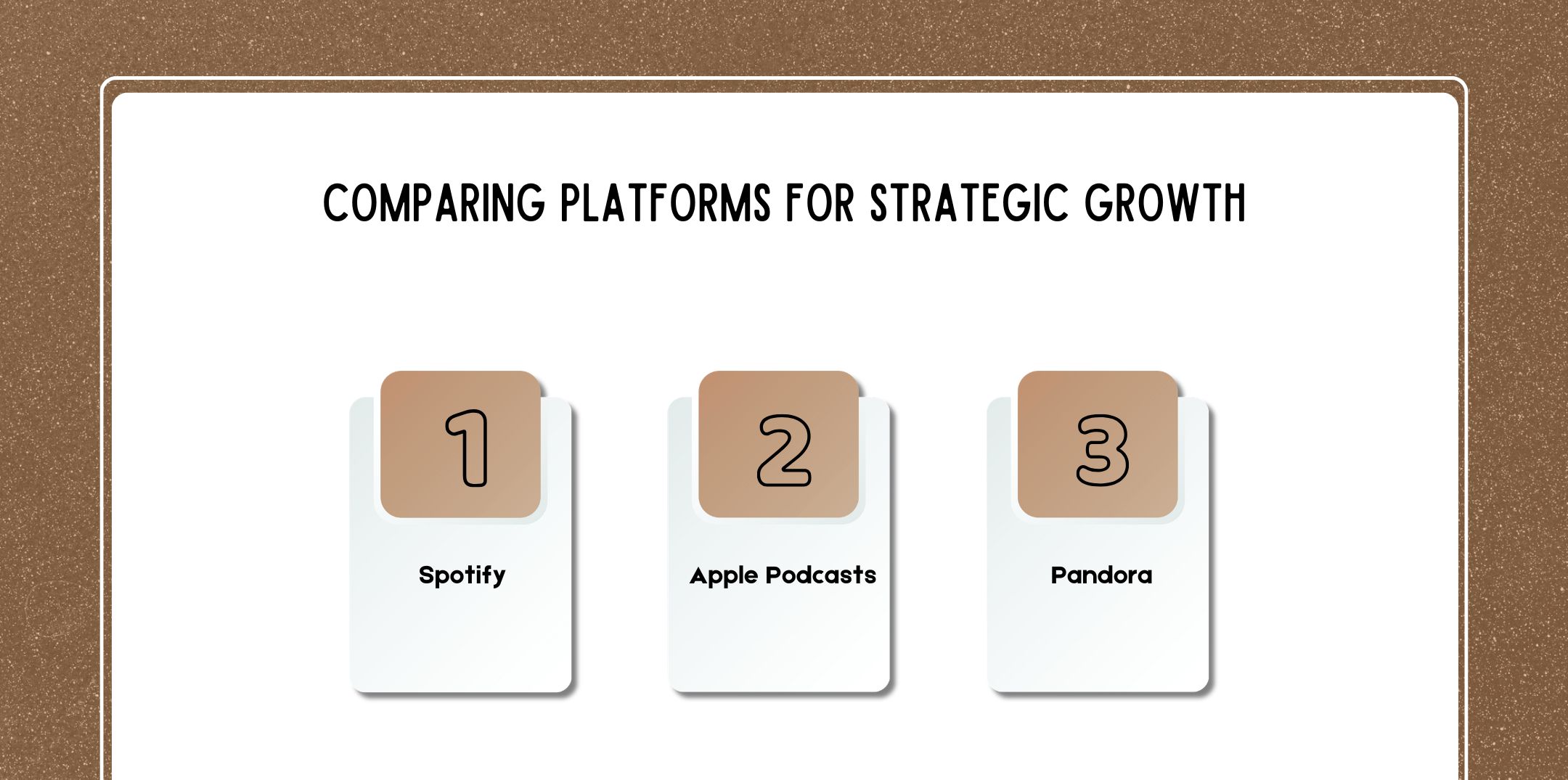
Here is a brief description of how different podcasting platform are strategically growing.
Spotify for Podcasters offers robust audience analytics and monetization tools.
Apple Podcast Analytics provides deep listener retention insights.
Pandora also supports pandora podcast submission for additional audience reach.
Accordingly, diversifying across platforms protects you from relying on a single algorithm.
In 2026, growth requires systems. Therefore, use podcast marketing tools such as:
Moreover, track performance across Amazon dashboards and compare data with Apple Podcast Analytics for a full-picture analysis.

Growth is not only about distribution it is also about visibility.
However, to get booked on podcasts:
Therefore, as a result, cross-promotion builds authority and attracts new listeners organically.
Although platforms provide hosting, a podcast website remains essential.
Include:
Consequently, you control your brand and reduce platform dependency.
However, by avoiding these errors, you streamline approval and improve long-term growth.
Here are a few questions and queries on the topic of submitting your podcast to Amazon Music & Audible, that others have asked, and you might find helpful at the same time.
Yes, Amazon Music submission is free.
Often no, but premium content may require additional approval.
Typically, 1–5 business days.
Yes, updates occur via your RSS feed.
MP3 via your hosting provider.
Monetization eligibility depends on audience size and engagement.
Yes, diversification strengthens discoverability.
Use the Amazon dashboard and compare with Apple Podcast Analytics.
Absolutely. Tools improve visibility and streamline workflow.
Income varies based on downloads, sponsorships, and ad rates.
In conclusion, even though your training extends until October 2023. However, your podcast submission to Amazon Music and Audible in the year 2026 requires more than technical execution, because it serves as a vital strategic decision for business expansion.
Moreover, the increasing competitive nature of the podcast ecosystem requires shows to reach multiple platforms for their survival.
Therefore, the process requires you to submit your work along with effective podcast advertising and comprehensive podcast marketing solutions, as well as cross-platform tracking systems and regular content distribution.
Ultimately, the people who succeed after 2026 will pursue three main goals: distributing their content consistently, enhancing their performance strategically, and interacting with their audience meaningfully.

Nabamita Sinha loves to write about lifestyle and pop-culture. In her free time, she loves to watch movies and TV series and experiment with food. Her favorite niche topics are fashion, lifestyle, travel, and gossip content. Her style of writing is creative and quirky.

sibashree bhattacharya, 4 days ago

Subham Kamila, 4 days ago