
How Long Can A Reel Be On Instagram In 2026? What 10 Years On This Platform Has Taught Me?
sibashree bhattacharya, 3 days ago
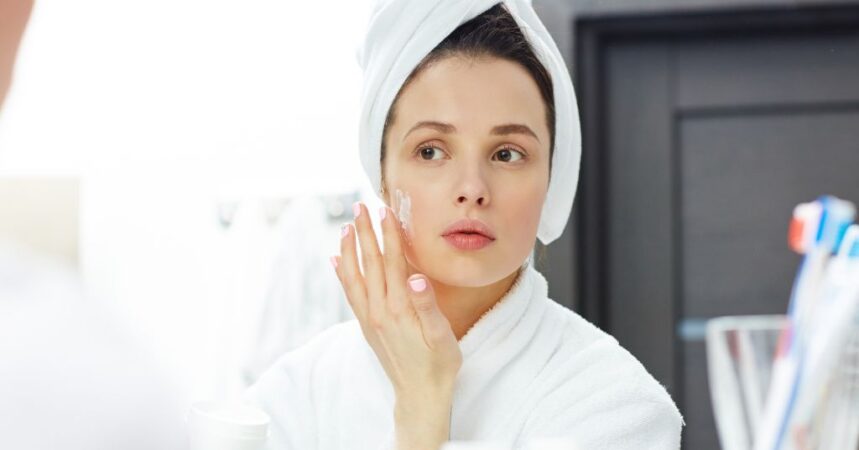
Sensitive and oily skin mostly feel like a contradiction. It gets shiny by afternoon and tight after cleansing. Also, it gets reactive after one wrong product. Hence, it gets annoying for the client.
For aestheticians, this is where oily skin skincare requires more nuance than “use something mattifying” or “skip moisturizer.” That kind of thinking is where many routines start to go sideways.
Essentially, the right moisturizer should not smother the skin. Also, it must not disappear so quickly that the skin’s barrier feels unsupported.
Rather, it should cover both aspects.
Basically, it must be lightweight, calming, breathable, and structured enough. This will help maintain comfort through the day.
Now, we all know these basics thanks to the social media marketing strategies for beauty brands.
From Instagram influencers to Facebook beauty vloggers, everyone is telling us what to use for our skin.
However, here the question is, does social media really help to make the right decisions without professional help?
In this article, I will first talk about the things to keep in mind when choosing the right moisturizer for sensitive and oily skin.
Then, I will discuss briefly whether social media helps or misguides in making the right choice.
At the outset, sensitive oily skin is not merely oily skin with occasional redness. Rather, it mostly comes with –
So, the moisturizer has to do more than reduce shine.
Hence, a well-chosen formula should help balance surface hydration.
Also, it must support barrier function and keep the skin feeling calm without adding a heavy finish.
Moreover, a sensitive, oily-skin moisturizer should feel almost invisible yet leave the skin feeling more comfortable after application.
Sometimes, oily skin feels tight and sensitive. This happens because oil and water are not the same thing.
For instance, a client may produce excess sebum. Still, they might have low water content in the skin’s surface layers. As a result, the face looks shiny but feels stretched, rough, or reactive.
This is common when the routine leans too heavily on the following products:
Good oily-skin skincare starts with a simple question: Is the skin truly over-moisturized, or is it under-supported?
To be honest, many clients avoid moisturizer.
This is because they fear congestion. However, the skin then responds with tightness, visible texture, and sometimes even more shine in the T-zone.
Therefore, aestheticians must frame moisturizer as a barrier-management step rather than a “rich cream” step.
In those cases, lightweight barrier moisturizers help reduce the look of stress while keeping the finish fresh and non-greasy. They must have the following ingredients:
| Skin Signal | What It May Suggest | Moisturizer Direction |
|---|---|---|
| Shine with tightness | Dehydration under surface oil | Lightweight gel-cream with humectants and barrier support |
| Redness after cleansing | Barrier discomfort or over-cleansing | Soothing, non-irritating skincare with a soft finish |
| Breakouts plus flaking | Too many drying steps | Oil-free hydration with calming ingredients |
| Midday greasiness | Poor routine balance or heavy layers | Breathable moisturizer and simplified layering |
Of course, texture matters a lot. Sensitive and oily skin usually does better with gel-creams, light lotions, or oil-free moisturizers that absorb cleanly.
However, “lightweight” should not mean empty. The formula still needs ingredients that help the skin retain moisture and remain comfortable.
Look for humectants such as hyaluronic acid, glycerin, and sodium PCA. Then, pair that with barrier-friendly support. These include –
In this case, a lightweight moisturizer with prebiotics and botanical antioxidants is especially useful.
This works for clients who want hydration and softness. Also, it produces a calmer-looking surface without a heavy occlusive feel.
With the right routine and appropriate ingredients, it is possible to deal with sensitive and oily skin. So, follow the steps below:
Start with a gentle cleanser that removes buildup. It must not leave the skin feeling squeaky. Although that tight-clean feeling may seem satisfying for a few seconds, it might contribute to discomfort later.
Also, for clients wearing sunscreen or makeup, a light cleansing oil works well. Then, a gentle cleanser becomes a requirement.
The second cleanse should be calmer. If the client’s skin looks flushed immediately after washing, that is useful feedback.
Basically, the protocol may require a softer cleanse, cooler water, or fewer cleansing steps in the morning.
Hydration should come before sealing support. A mist or lightweight serum with humectants helps the skin feel less tight before moisturizer is applied.
This is where sensitive oily skin starts to behave better. It happens because water support is being addressed without adding a greasy layer.
For oily skin skincare, this step helps reduce the temptation to overuse mattifying products. When the skin feels comfortable, clients are less likely to keep chasing oil with stronger cleansers, more acids, or too many drying treatments.
Apply a breathable moisturizer that supports comfort without a heavy residue. In this case, a gel-cream formula might help maintain a balanced-looking complexion. It must have –
For oilier clients, an oil-free moisturizer with a soft-matte finish may be more appropriate.
In this case, the key is compatibility.
Make sure the moisturizer sits well under SPF.
Also, it must avoid pilling and leave the skin feeling settled. It must be comfortable enough that the client stops noticing their skin every ten minutes.
Obviously, morning routines need daily protection.
Hence, a lightweight SPF moisturizer or sunscreen layered over a breathable moisturizer works well. It helps maintain clarity and even tone.
However, if the SPF feels too rich, the moisturizer underneath must be lighter rather than removed entirely.
Therefore, aestheticians must adjust the AM protocol by using the following products:
This keeps the routine flexible while still maintaining barrier support.
Although sensitive oily skin might be fussy, it is not impossible. Usually, the main issue is a mismatch.
If it is too rich, the skin feels congested. Meanwhile, if it is too dry, sensitivity increases. Also, if there are too many activities, suddenly the whole routine feels like a problem.
Avoid assuming “oil-free” automatically means barrier-friendly. This is because the formula still needs hydrating and soothing ingredients to support skin comfort.
| Clinical Insight: If a client says every moisturizer breaks them out, test the texture first rather than the ingredients alone. Also, use a thin layer of a lightweight barrier moisturizer on slightly damp skin for several nights before changing the entire protocol. |
| Formula Type | Best For | Possible Concern | Better Use Case |
|---|---|---|---|
| Heavy cream | Very dry or depleted skin | May feel too occlusive for oily areas | Use only on dry patches if appropriate |
| Gel moisturizer | Oily, dehydrated, sensitive skin | It may not be enough in colder weather. | Layer over hydrating serum |
| Oil-free lotion | Shine-prone or breakout-prone clients | Can feel too light if poorly formulated | Choose one with humectants and calming support |
| Prebiotic gel-cream | Sensitive, uneven, reactive-looking skin | Texture preference varies | Use as a daily comfort and balance step |
Sensitive and oily skin must not be dried into submission.
Rather, it requires a smarter structure. With the right cleanser, water-based hydration, lightweight barrier support, and daily SPF, oily skin skincare feels less reactive.
Also, it starts looking more refined.
No, social media marketing strategies for beauty products may not always help you make the right choice.
In other words, an influencer does not eliminate the need for a professional service or visiting an expert.
These strategies are more focused on the following areas.
On the other hand, choosing the right moisturizer or any skincare product for sensitive and oily skin needs clinical barrier logic and texture analysis.
So, follow the guidelines I have discussed throughout the entire article and visit a dermatologist to make the right choice.

Barsha is a seasoned digital marketing writer with a focus on SEO, content marketing, and conversion-driven copy. With 8+ years of experience in crafting high-performing content for startups, agencies, and established brands, Barsha brings strategic insight and storytelling together to drive online growth. When not writing, Barsha spends time obsessing over conspiracy theories, the latest Google algorithm changes, and content trends.

sibashree bhattacharya, 3 days ago

Subham Kamila, 3 days ago