How To Add Multiple Photos To An Instagram Story (And Why Your Brand Should Bother)
sibashree bhattacharya, 57 minutes ago

Today’s topic: Proper mic technique for podcasters!
Podcasting has never been more competitive. With the launch of thousands of new shows every month, having a unique idea, catchy podcast names, or interesting podcast segment ideas has just about ceased to be enough.
Audio quality has become the new baseline. Poor introductions and slow first episodes will be forgiven by listeners, but not poor sound.
One of the most powerful and misunderstood elements in podcast production is microphone technique. It doesn’t have to involve expensive upgrades, advanced audio engineering knowledge, or professional studios.
It means how you use your microphone, how you speak into it, and how you manage your recording environment.
This comprehensive course will take you through it all, from the basics of the mic, common mistakes, and advanced speaking techniques to strategies for mobile recording, so you can sound confident, professional, and polished in each episode.
The core of microphone technique is the art of controlling how sound enters the microphone. Three related areas involve
Even podcasters with entry-level equipment can easily outdo others who have only premium equipment, as long as the technique is right.
Proper microphone technique impacts everything from the recording to the editing process to podcast promotion.
Key benefits include:
Advanced tools, such as Adobe Podcast, work much better if the original recording is clean and well-controlled.
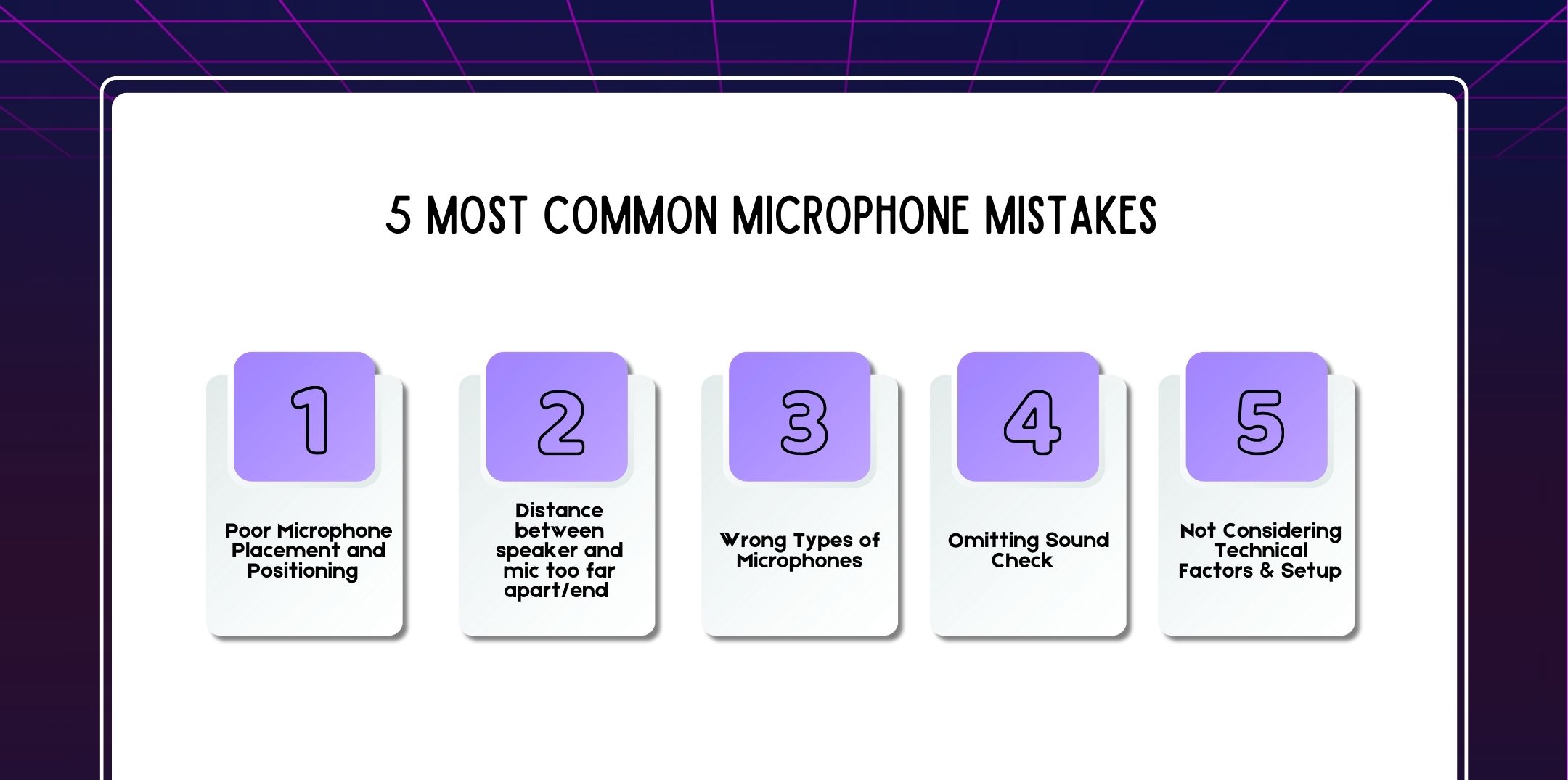
Now that you know about the proper mic technique that podcasters shoyld use, let’s talk about the negatives. What are the things that one must avoid?
Let’s dive into some of the most common mistakes that damage podcast audio – and how to avoid them.
There are few things that work quite as fast at having a recording sound bad than placing a mic incorrectly.
Common placement mistakes
Correct placement tips:
Distance foremost affects the quality of sound.
Too close: distortion, popping sounds, harsh breath noise
Too Far: hollow sound, room echo, weak presence
General rule:
Consistency is more important than perfection – avoid leaning back and forth while speaking.
Too many podcasters buy microphones without a deep understanding of how they behave in the real world. Common errors:
Your environment should dictate your mic choice-not marketing hype.
Skipping sound checks is an expensive habit. A proper sound check enables you to:
Always record 30–60 seconds and then listen with headphones before the start.
Weird audio problems are often the result of technical oversights. Watch out for:
When this happens:
Professional techniques of microphone techniques include technical discipline.
For this, one needs to understand the microphone types in order to make the right choice.
Best suited for:
Advantages:
Disadvantages:
Condenser microphones require great mic techniques along with good acoustics. They also ask for the text either in its entirety or in a condensed version.
Best suited for:
Advantages:
Disadvantages:
For most creators, dynamic mics are considered the best podcast microphone option.
Specialized tools while traditional broadcast mics predominate in podcasting, there are some really nice, niche microphones that serve specific needs.
Each has a place, but none replace strong microphone fundamentals.
Well, your microphone doesn’t exist in a vacuum-it picks up the room around you.
It is with this aspect that the paper deals. The paper discusses the various sources of financial information that can be utilized by corporate management for analysis work.
The acoustics describe how sound reflects, absorbs, and travels around the space.
You don’t need a studio, just:
Soft items naturally absorb sound.
Examples include:
A “soft” room instantly improves microphone performance.
Before recording:
They knowingly and deliberately continue with their wars.
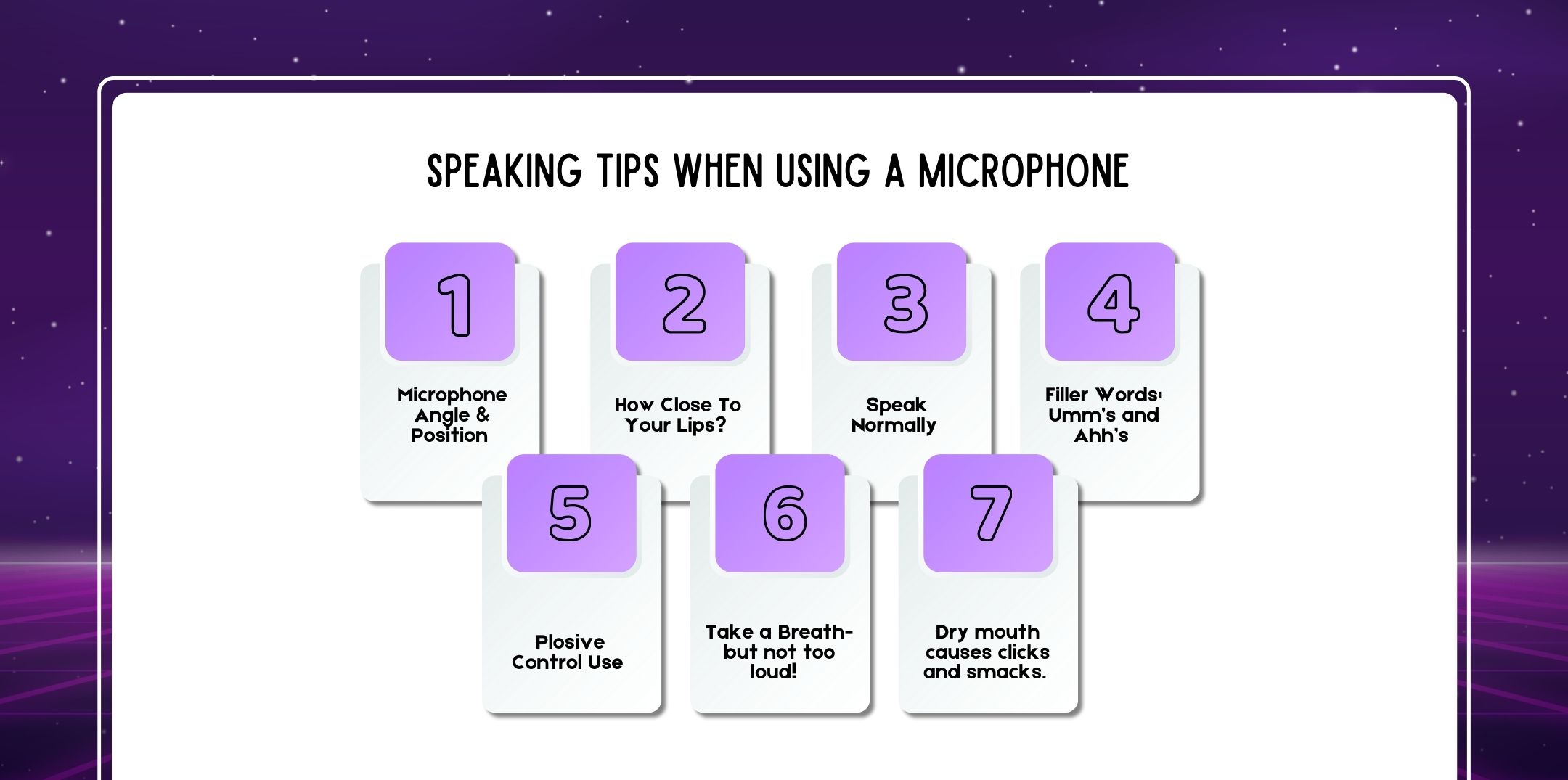
Not even perfect mic placement can save poor vocal habits.
Angle the mic so that it is not directly in line with your mouth to reduce airflow, while retaining maximum clarity. Never speak directly into a capsule except if it is designed to be used that way.
Stay at the same distance throughout the episode. Sudden movements spike and drop volume.
Avoid “radio voice.” Transparency, conversational way of speaking is more appealing and comfortable for the audience.
Too many filler words:
Practice pausing silently rather than filling space.
These small tools greatly enhance clarity.
Breathe a little off the mic so that you’re not making sharp intake sounds.
Solutions:
Mobile podcasting demands extra discipline.
Hold the body, not the grille Distance should be kept constantly.
They should also:
Here are a few tips while you are recording an audio.
Portable recorders combined with dynamic mics work best. The proposed approach can be effectively used by combining it with subsequence-based mining as well as frequent pattern mining. Microphone Technique, Branding, and Growth Good quality mic technique heightens the:
They include:
It’s not just about setting up the microphone once and leaving it at that; microphone technique is honed over time.
You can get professional results with minimal gear if you’ve got proper placement, the right mic choice, controlled speech, and a thoughtful recording environment.
Whether recording solo episodes, interviewing guests, or creating content for social media, great microphone technique will make sure your voice is heard loud and clear with confidence and consistency. Now you’re ready to step up to the mic and sound like a pro.
Additional Resources For Podcasters:

Barsha is a seasoned digital marketing writer with a focus on SEO, content marketing, and conversion-driven copy. With 8+ years of experience in crafting high-performing content for startups, agencies, and established brands, Barsha brings strategic insight and storytelling together to drive online growth. When not writing, Barsha spends time obsessing over conspiracy theories, the latest Google algorithm changes, and content trends.