Vipto de TikTok 2025 – A Free Way to Boost TikTok Engagement
Barsha Bhattacharya, 4 days ago

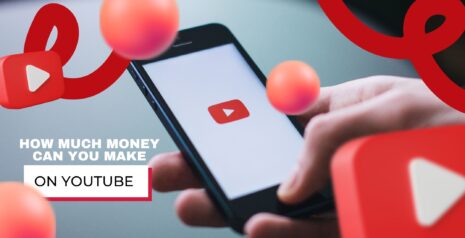
Starting a YouTube channel in 2026 is both an exciting opportunity and a competitive challenge.
Video content consumption continues to grow rapidly, and creators across the world are turning YouTube into a powerful platform for education, entertainment, branding, and income generation.
However, success on YouTube today requires more than just uploading random videos. It demands strategy, consistency, audience understanding, and the ability to adapt to evolving algorithms and viewer expectations.
If you are planning to launch a YouTube channel this year, this comprehensive guide will walk you through every step from choosing a niche and creating content to optimizing videos and monetizing your channel.
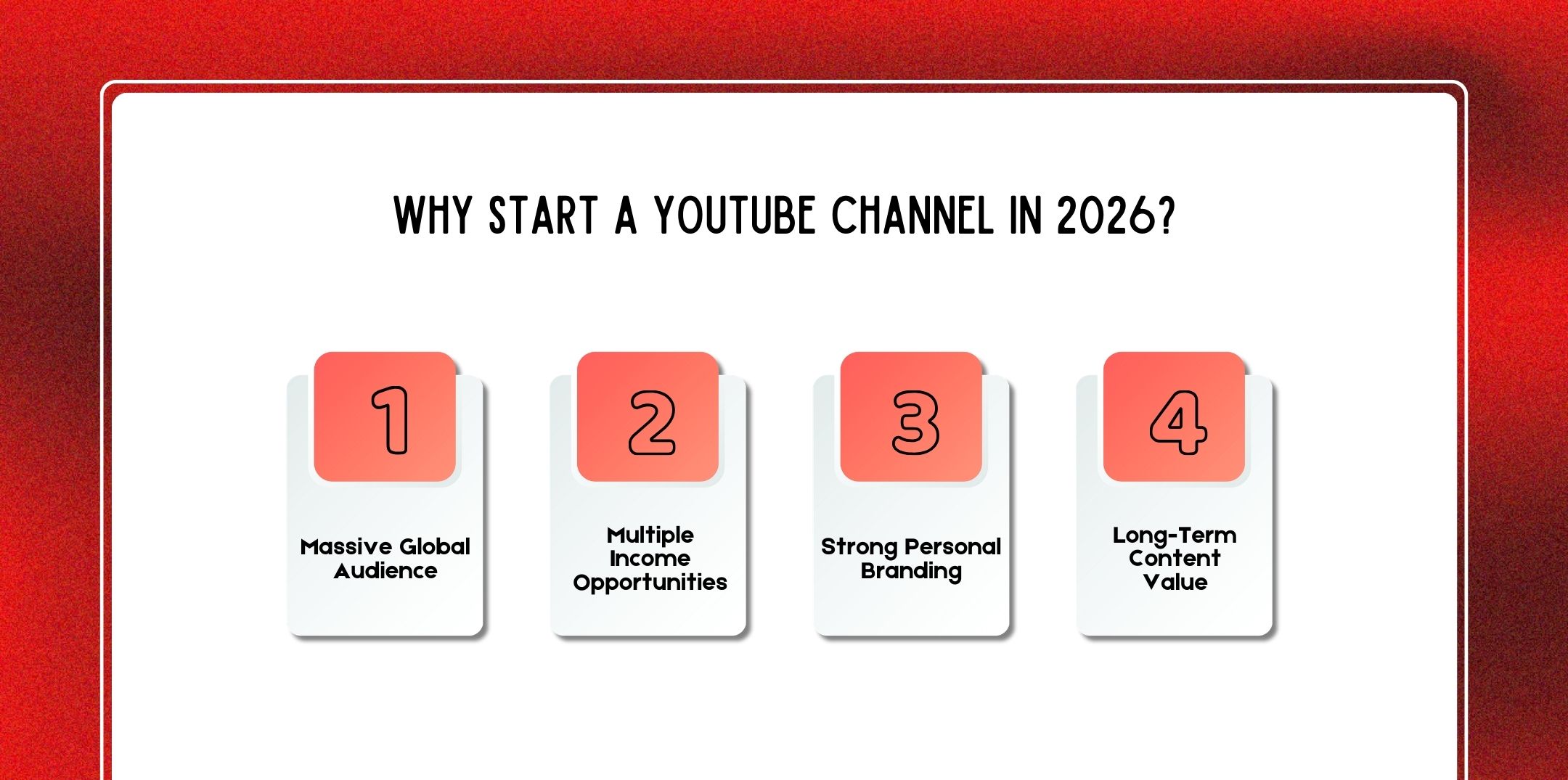
Before diving into the process, it is important to understand why YouTube remains one of the best platforms for content creators.
YouTube has billions of users worldwide, making it one of the largest video-sharing platforms. Every day, millions of people search for tutorials, reviews, entertainment, and educational videos.
YouTube creators can earn money through various streams, such as:
Many professionals, entrepreneurs, and influencers use YouTube to build authority in their industries.
Unlike short-lived social media posts, YouTube videos can continue attracting views for years.
One of the most important decisions when starting a YouTube channel is selecting the right niche.
Your niche should ideally combine three factors:
Some of the most successful niches include:
Instead of choosing a broad niche like “fitness,” narrow it down.
Examples:
The more specific your niche is, the easier it will be to build a loyal audience.
Successful YouTube channels are built around a clear understanding of the audience.
Ask yourself the following questions:
When you understand your audience deeply, it becomes easier to create content that resonates with them.
Branding plays a significant role in helping your channel stand out.
1. Channel Name
Choose a name that is:
2. Channel Logo
Your logo should be recognizable even at small sizes.
3. Channel Banner
The banner should clearly communicate:
4. Channel Description
Write an SEO-friendly description explaining:
You do not need extremely expensive equipment to start a YouTube channel. However, good audio and video quality are essential.
Camera Options
Microphone
Audio quality is often more important than video quality.
Good beginner options include:
Lighting
Proper lighting improves video quality significantly.
Affordable options:
Editing Software
Some popular editing tools include:
Uploading random videos rarely leads to long-term success. Instead, you need a clear content plan.
Content pillars are the main themes of your channel.
Example for a tech channel:
A balanced strategy often includes:
This approach keeps your content both consistent and innovative.
Search Engine Optimization (SEO) is critical for YouTube growth.
Most viewers discover videos through search results and recommendations.
1. Video Title
Use clear and keyword-rich titles.
Example:
Instead of
“Best Camera”
Use
“Best Budget Cameras for YouTube in 2026”
2. Video Description
Your description should include:
3. Tags
Tags help YouTube understand your content.
Use:
4. Thumbnails
Thumbnails dramatically impact click-through rate.
Good thumbnails should be:
One of the biggest ranking factors on YouTube is audience retention.
This means how long viewers watch your videos.
The longer viewers stay on your video, the more likely YouTube is to recommend it.
Consistency is essential for building momentum.
Beginners should aim for:
Consistency helps:
Quality is important, but consistency matters just as much.
YouTube growth often requires promotion beyond the platform.
Short video clips can also be shared on other platforms to drive traffic.
YouTube provides powerful analytics tools that help creators improve their content.
Important metrics include:
Studying these metrics helps you understand what type of content performs best.
Once your channel starts growing, you can begin monetizing it.
To qualify for ad revenue, creators generally need:
OR
Even small channels can earn through:
Affiliate Marketing
Promote products and earn commission.
Brand Sponsorships
Companies may pay you to review or promote products.
Digital Products
Examples include:
Merchandise
Selling branded merchandise can also become a major income source.
Successful YouTube channels focus on community building.
Ways to engage your audience include:
Engaged communities help channels grow faster because loyal viewers share content and return regularly.
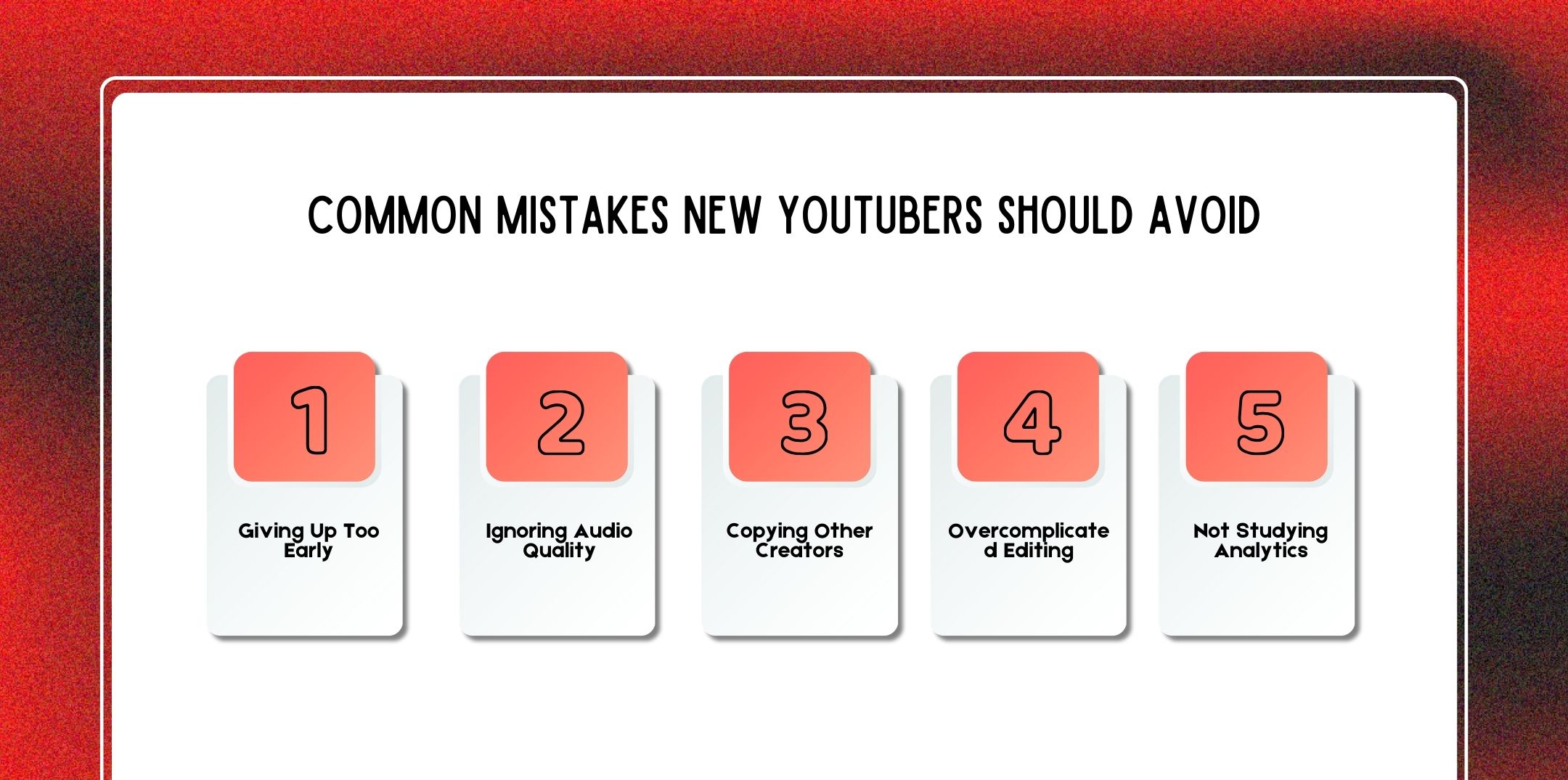
Many beginners make mistakes that slow their growth.
Most successful creators uploaded dozens of videos before gaining traction.
Poor sound can drive viewers away.
Inspired content is fine, but originality is crucial.
Simple, clear editing is often better than overly complex effects.
Analytics provide valuable insights into audience behavior.
The YouTube landscape continues evolving.
AI tools are helping creators with:
Short videos continue to attract massive audiences.
Learning-based channels are growing rapidly.
More professionals are using YouTube to build authority.
Starting a successful YouTube channel in 2026 requires a combination of creativity, strategy, and persistence. While competition on the platform is higher than ever, opportunities for creators are also greater.
By choosing the right niche, understanding your audience, optimizing your videos for search, and maintaining consistency, you can gradually build a channel that attracts viewers and generates income.
Remember that most successful YouTubers did not grow overnight. Their success came from continuous improvement, learning from analytics, and staying committed to their vision.
If you focus on delivering valuable and engaging content, your YouTube channel can grow into a powerful platform for influence, creativity, and long-term success.
Read Also:

Barsha is a seasoned digital marketing writer with a focus on SEO, content marketing, and conversion-driven copy. With 7 years of experience in crafting high-performing content for startups, agencies, and established brands, Barsha brings strategic insight and storytelling together to drive online growth. When not writing, Barsha spends time obsessing over conspiracy theories, the latest Google algorithm changes, and content trends.